

Disclosure:
This article may contain affiliate links. If you choose to purchase through them, Fox & Nook may earn a small commission at no additional cost to you. We only reference products we believe align with intentional, functional living.
Introduction
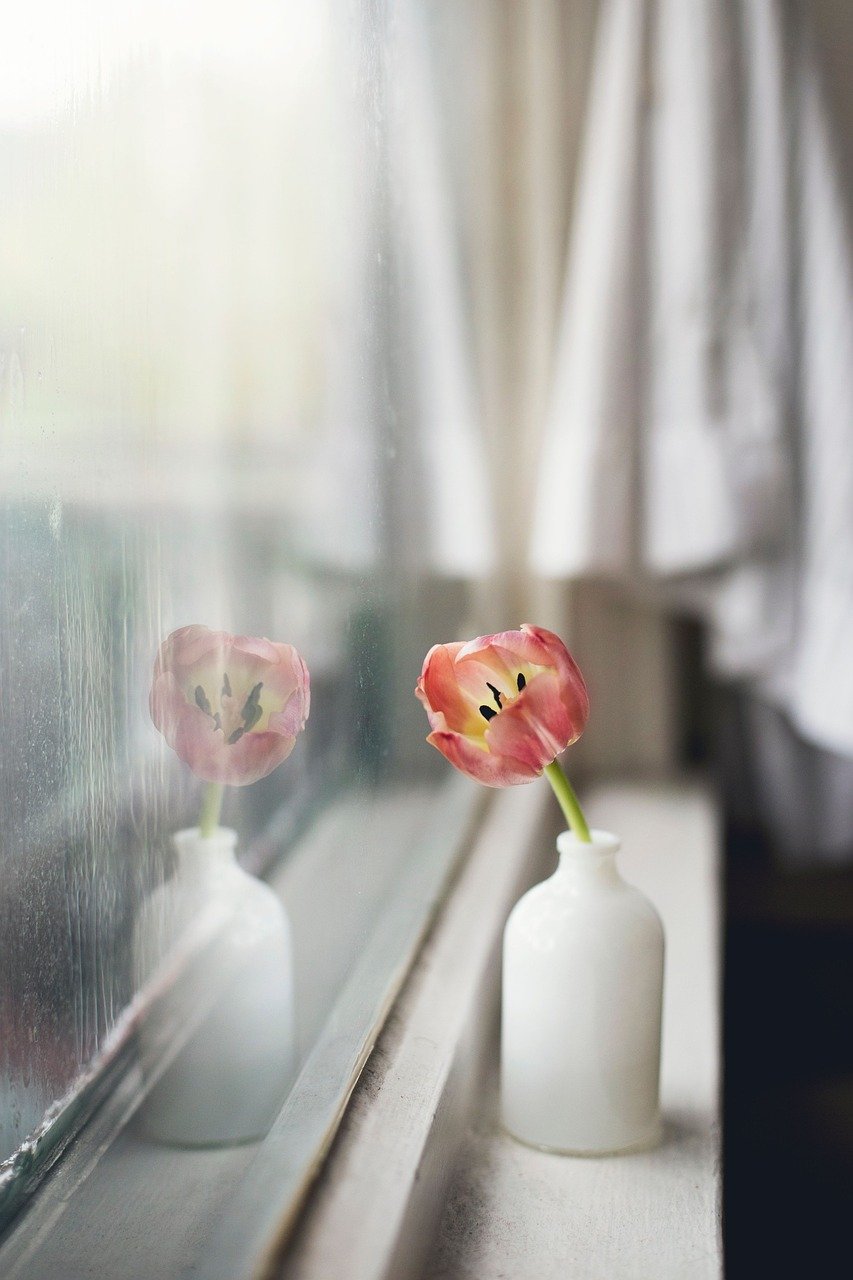
Home improvement often gets framed as something dramatic.
We imagine major renovations, weeks of disruption, and budgets that quietly double somewhere along the way. It’s an understandable assumption after all, that’s the version of home transformation we tend to see in television shows and glossy magazines.
But in real life, the homes that feel the most comfortable and supportive rarely evolve through giant leaps. Instead, they improve gradually through small, thoughtful adjustments.
A drawer that finally works the way it should.
Lighting that feels softer in the evening.
A kitchen counter that no longer gathers clutter by default.
Individually, these changes may seem almost insignificant. Yet, over time, they begin to shape the rhythm of everyday life at home.
Researchers in environmental psychology have long noted that the spaces we inhabit influence how we think, rest, and interact with others. A well-known study from the Princeton Neuroscience Institute (2011) found that visual clutter can compete for attention in the brain, making it harder to focus and increasing feelings of mental fatigue.
In other words, our surroundings quietly affect our mental bandwidth.
The encouraging part is that improving those surroundings doesn’t require a full renovation plan.
Sometimes, the most meaningful upgrades take less than an hour.
Below are ten small improvements you can introduce gradually, perhaps one each week, that tend to make daily life at home feel noticeably smoother. We have also created a quick summary of this article’s contents for you:
Quick Summary
If you’re short on time, here are the small weekly home improvements covered in this article:
1. Reset Your Entryway

The entryway is a fascinating part of the home.
It’s where the outside world meets your private space, and because of that, it tends to collect the little fragments of daily life: keys, shoes, bags, jackets, unopened mail. None of these things are problematic on their own, but when they accumulate without a system, the area can quickly feel chaotic.
Many people don’t realise how strongly that first impression influences the experience of coming home.
Imagine opening your door after a long day and being greeted by a calm, organised landing space rather than a pile of shoes and misplaced items. It subtly changes the emotional transition between outside and inside.
Creating that shift usually requires very little effort. A small tray for keys, a simple hook for bags, or a compact shoe rack can be enough to introduce a sense of order.
Interior designers often refer to this type of setup as a “drop zone,” a designated place where everyday essentials naturally land when you walk through the door.
Once that system exists, something interesting happens: the space begins to maintain itself. Instead of scattering items around the house, they tend to settle exactly where they belong. Although a small adjustment, it is still one that quietly removes several daily frustrations, especially those hurried mornings when finding your keys suddenly becomes an unexpected challenge.
2. Rethink Your Evening Lighting

Lighting is one of the most underestimated influences on how a home feels.
Many rooms rely heavily on a single overhead light, which often produces a bright and somewhat clinical atmosphere. While this may work well for tasks like cooking or cleaning, it can feel slightly jarring when you’re trying to relax in the evening.
Introducing softer, layered lighting can transform a room in ways that are surprisingly noticeable.
This might mean placing a small lamp beside a sofa, adding a warm bulb to a reading corner, or replacing cool-toned bulbs with warmer ones. These adjustments tend to create a gentler ambience that invites you to slow down rather than remain in “daytime mode.”
There is also a biological reason this works so well.
Light plays a central role in regulating the body’s circadian rhythm, the internal system that helps determine when we feel alert and when we begin to feel sleepy. Research from Harvard Medical School’s Division of Sleep Medicine has shown that exposure to bright, blue-toned light in the evening can suppress melatonin production, the hormone that signals to the body that it’s time to wind down.
Warm lighting, on the other hand, supports a more gradual transition into the evening.
It’s one of those subtle improvements that many people only notice after they make the change. Suddenly, the room feels calmer, conversations linger a little longer, and the atmosphere becomes noticeably more comfortable.
Creating softer lighting can even become part of a calming morning or evening routine at home, something we explore further in our guide to morning ritual tools.
3. Give Your Bed a Small Upgrade
If there is one area of the home that deserves consistent attention, it’s the bed.
Sleep influences nearly every aspect of our wellbeing: energy levels, mood stability, concentration, and even long-term health.
Yet it’s surprisingly common for people to hold onto bedding that is well past its comfortable lifespan.
A weekly improvement doesn’t have to mean replacing everything at once. Often, a single thoughtful adjustment can make a noticeable difference.

Perhaps it’s rotating or replacing a pillow that has lost its support, switching to more breathable sheets, or adding a lightweight blanket that makes the bed feel more inviting at night.
Sleep researchers frequently highlight the importance of the sleep environment itself.
The National Sleep Foundation notes that most people rest best in a room that is cool, dark, and quiet, with temperatures typically recommended between 16–19°C (60–67°F).
Comfortable bedding helps support that balance.
What many people discover after making small improvements to their bed setup is that the entire nightly routine begins to feel different. Instead of collapsing into bed out of exhaustion, the experience becomes something closer to a quiet ritual, a moment of genuine rest at the end of the day.
And that shift can ripple into the following morning as well.
4. Reclaim One Small Clutter Hotspot
Every home develops a few areas that seem to attract clutter almost magnetically!
It might be the kitchen counter where unopened mail slowly gathers, a chair in the bedroom that quietly becomes a landing spot for clothes, or a drawer that collects items without a clear purpose. These spaces usually evolve gradually, so we stop noticing them until one day they suddenly feel overwhelming.
Trying to declutter an entire room can feel like a daunting project. But focusing on one small hotspot at a time often proves far more effective.

Spend a few minutes simply resetting the space. Return items to their proper place, remove anything that doesn’t belong there, and consider whether a small organisational tool, perhaps something like a tray, basket, or divider, might help prevent the buildup from returning.
There’s a psychological benefit to this approach as well. Studies on decision fatigue suggest that when environments feel visually crowded, our brains have to process more information than necessary.
Over time, this can subtly increase stress and reduce our ability to concentrate.
By reclaiming one small area, you’re not just tidying a surface; you’re restoring a bit of mental breathing room.
And interestingly, once one corner of a room feels lighter and more intentional, it often inspires small improvements in nearby spaces too.
5. Introduce a Touch of Nature
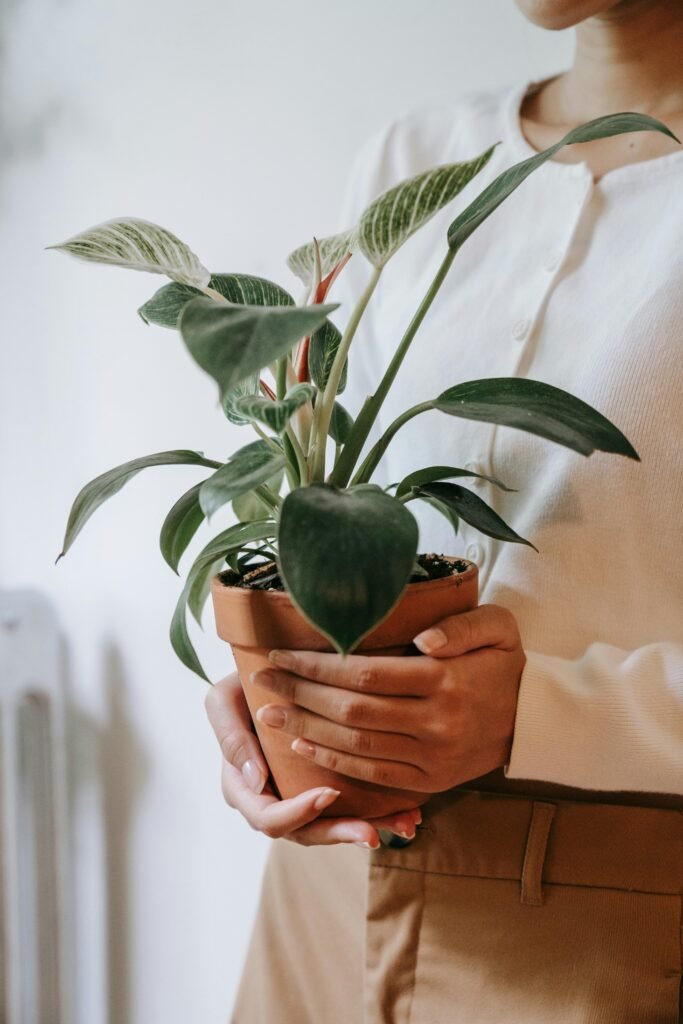
Nature has a remarkable ability to change the atmosphere of a space.
Even in urban environments where greenery may feel distant, introducing natural elements indoors can create a subtle sense of calm and balance. This is one of the ideas behind biophilic design, an approach to interior spaces that incorporates natural materials, light, and plant life.
The concept isn’t new, but research continues to reinforce its impact.
A widely cited study from the University of Exeter (2014) found that workspaces enriched with plants saw productivity increase by up to 15%, while participants also reported higher levels of well-being.
At home, the effect tends to be even more noticeable.
A small plant near a window, a wooden tray on a coffee table, or simply allowing more natural light into a room can soften the atmosphere. These elements introduce texture and warmth that manufactured materials sometimes lack.
The beauty of this improvement is its simplicity. It doesn’t require redesigning an entire room; often, a single plant or natural accent can quietly shift the energy of the space.
Over time, these touches make a home feel less artificial and more connected to the outside world.
6. Fix One “Invisible” Inconvenience
Some of the most satisfying home improvements are the ones that no visitor would ever notice.
They’re the tiny inconveniences that quietly interrupt daily routines: a charging cable that always seems to disappear behind furniture, a drawer that sticks every time it opens, or a bathroom shelf that never quite holds everything comfortably.
Individually, these issues seem minor. Yet when they repeat day after day, they create small moments of friction that slowly add up.
Taking a few minutes to resolve one of these inconveniences each week can make everyday tasks noticeably smoother.
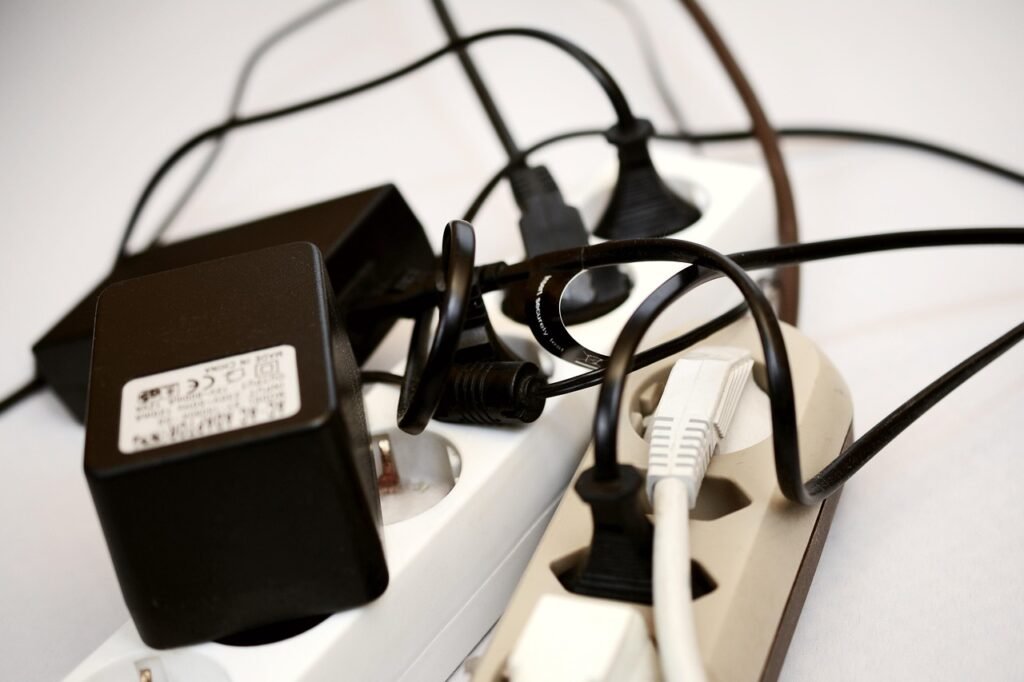
Perhaps that means installing a simple cable organiser near a desk, adding drawer dividers in the kitchen, or attaching adhesive hooks where bags and headphones usually end up.
These improvements rarely cost much, but they have a disproportionate impact on convenience.
Designers sometimes refer to this idea as “friction reduction,” the process of removing small obstacles so environments support behaviour rather than complicate it.
When a home functions smoothly, the difference is subtle but powerful. Daily routines feel easier, and the space begins to work with you rather than against you.
7. Create a Gentle Daily Reset
Maintaining a home rarely depends on occasional deep cleans.
More often, it’s the small habits woven into everyday routines that make the biggest difference.
Many people find that introducing a short evening reset, perhaps five minutes before settling down for the night, helps keep spaces feeling calm and manageable. This could involve wiping kitchen counters, folding a blanket in the living room, or clearing a table that has collected the day’s activity.

Because the task is brief, it tends to feel less like a chore and more like a quiet transition into the evening.
Behavioural research has repeatedly shown that smaller, consistent habits are far easier to sustain than large, infrequent efforts. In fact, studies on habit formation from University College London (2010) found that simple routines practiced regularly are significantly more likely to become automatic over time.
The beauty of a short reset is that it preserves the sense of order you’ve already created.
Instead of waking up to yesterday’s mess, you begin the day with a space that already feels settled, which can influence the tone of the entire morning. We have also created a relevant guide to Morning Rituals with tips and ideas to help you begin your day with purpose and intention.
8. Curate a Meaningful Corner
Not every improvement needs to focus on efficiency.
Some of the most memorable spaces in a home exist simply because they invite you to pause and enjoy them.
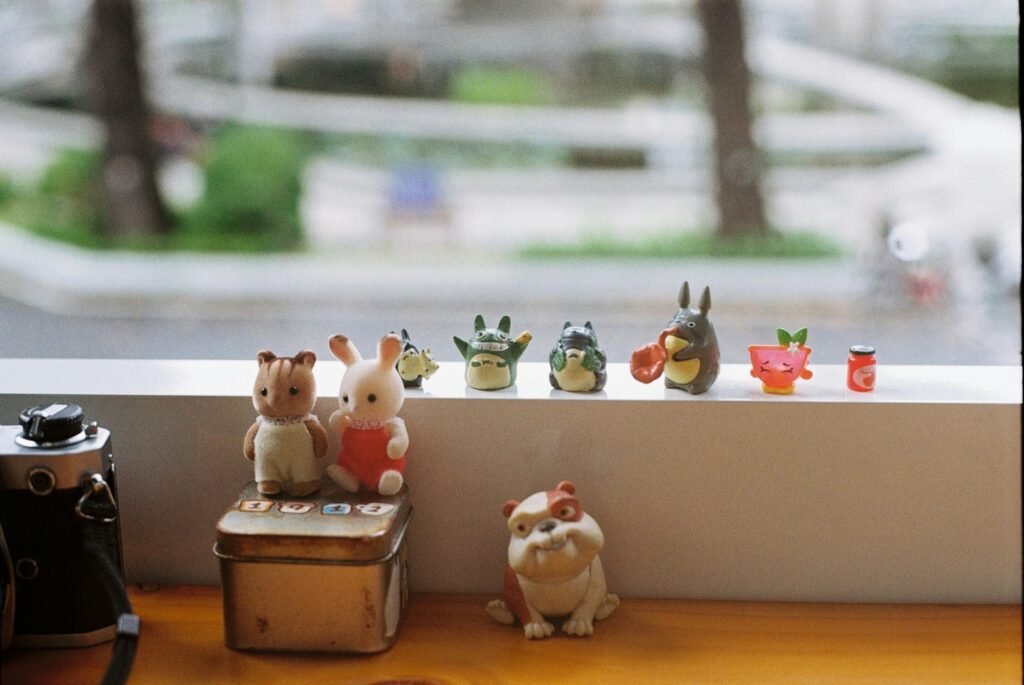
- A comfortable chair near a window.
- A small shelf displaying objects that hold personal meaning.
- A quiet corner with a lamp and a book waiting to be opened.
Creating a small area like this doesn’t require elaborate decoration. Often, it emerges from combining a few elements that naturally belong together.
Interior designers sometimes refer to these as “moments” within a room, places that draw the eye and encourage a certain activity, whether that’s reading, reflecting, or simply enjoying a cup of coffee.
These corners serve as gentle reminders that a home isn’t just a functional space; it’s also a place for rest and reflection.
And interestingly, once one corner feels intentionally arranged, it often encourages the rest of the room to follow a similar rhythm.
9. Pay Attention to the Air You Breathe
When thinking about home comfort, we usually focus on what we can see: furniture, colours, lighting, and organisation.
But one of the most important elements of a healthy home is invisible. That is the air quality in our space.
According to the U.S. Environmental Protection Agency, indoor air can sometimes contain two to five times more pollutants than outdoor air, particularly in spaces with limited ventilation.
Everyday factors such as cooking, cleaning products, dust, and synthetic materials can contribute to this buildup.
Fortunately, improving air quality often requires only small adjustments.
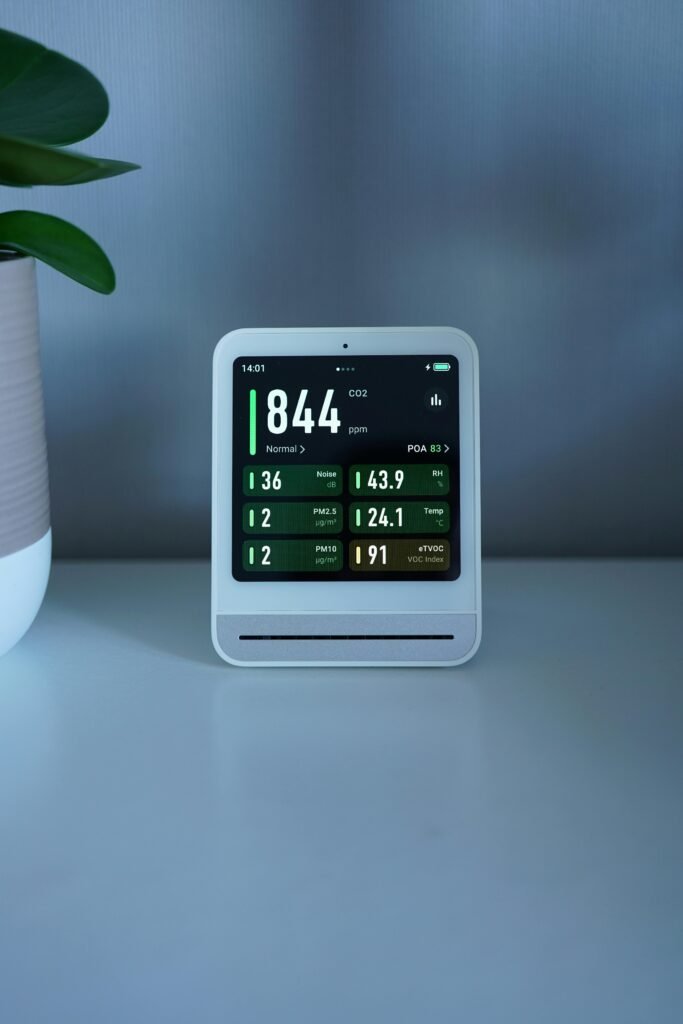
Opening windows for a few minutes each day allows fresh air to circulate. Cleaning ventilation filters regularly helps systems work more effectively. Even incorporating certain houseplants may contribute modestly to overall air freshness while enhancing the visual atmosphere of a room.
While the change may not be immediately obvious, better air circulation tends to support clearer thinking, improved sleep, and a general sense of comfort indoors.
It’s a quiet improvement that benefits everyone who spends time in the space.
10. Add Something That Brings You Joy

Practical upgrades are valuable, but homes should also reflect the people who live in them.
Sometimes the most meaningful improvement is simply adding something that makes you smile when you notice it.
It could be a framed photograph from a memorable trip, a candle with a scent that signals the beginning of a relaxing evening, or a small speaker that fills the kitchen with music while you cook.
These details might seem minor, yet they often become the elements that give a home its personality.
Psychologists studying emotional attachment to spaces have found that environments reflecting personal identity tend to increase feelings of comfort and belonging. In other words, when a home tells a small story about the people living there, it feels more authentic and welcoming.
A thoughtful object placed in the right spot can quietly shift the emotional tone of a room.
And sometimes, those are the improvements that end up meaning the most.
The Quiet Power of Small Improvements

When we imagine improving our homes, it’s easy to focus on large projects and long to-do lists.
But the spaces that feel the most enjoyable to live in are rarely the result of one dramatic transformation. Instead, they evolve through a series of thoughtful, incremental adjustments.
- A better-lit corner.
- A clearer countertop.
- A comfortable bed at the end of the day.
Each change may seem modest on its own.
Yet over weeks and months, these small improvements gradually shape the atmosphere of the entire home.
Rather than waiting for the perfect renovation plan, consider a simpler rhythm: one thoughtful improvement each week.
By the end of a year, that’s more than fifty meaningful upgrades, each one making daily life a little smoother, calmer, and more enjoyable.
And often, that’s all a home really needs. ❤️🏠
Frequently Asked Questions
What small home improvements make the biggest difference?
Small improvements like better lighting, improved organisation, comfortable bedding, and reducing clutter can significantly improve how a home feels without requiring major renovations.
How often should I improve my home?
Many homeowners find that making one small improvement each week keeps spaces feeling fresh and manageable without becoming overwhelming.
Do small home improvements really improve quality of life?
Yes, absolutely! Research in environmental psychology shows that organised, comfortable environments can reduce stress and support better focus, sleep, and wellbeing.
Small improvements often lead to bigger changes over time. If you’re interested in discovering more ideas for creating a home that feels calm, functional, and thoughtfully designed, we invite you to explore the rest of the Fox & Nook blog.
You’ll find more articles on home improvements, lifestyle systems, and simple ways to make everyday living feel a little better and intentional.
[…] • 10 Small Weekly Home Improvements That Instantly Improve Your Quality of Life• Morning Ritual Tools That Make You Actually Want to Wake Up […]